
White Rose Care Guide: Planting, Pruning and Healthy Blooms
A practical guide to choosing, planting and caring for white roses in garden borders, containers and small outdoor spaces.

Introduction
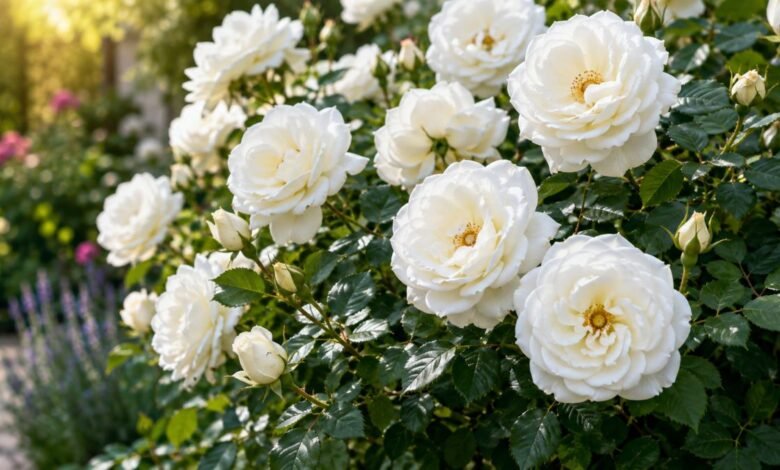
A white rose can bring brightness, structure and a sense of calm to almost any garden, whether it is planted in a mixed border, trained over an arch or grown in a large patio container. Although pale flowers can look delicate, white roses do not require a completely different care routine from pink, red or yellow roses. Their success depends mainly on choosing a suitable cultivar and providing enough sunlight, moisture, nutrition and air circulation.
For reliable growth, plant your rose in fertile, moisture-retentive but well-drained soil. Choose a position receiving at least four hours of direct sunlight each day, avoid severe competition from nearby plants, and water deeply around the base during dry weather. Regular feeding, sensible pruning and the removal of faded flowers will help repeat-flowering cultivars produce healthy displays from summer into autumn.
Quick Answer
A white rose grows best in a sunny, well-drained position with enough room for air to circulate around its leaves. Water deeply rather than little and often, feed during the growing season, and prune according to whether the plant is a bush, shrub, climber, rambler, or patio rose.
What Is a White Rose?
The term white rose does not refer to one individual rose species. It describes many cultivars within the genus Rosa that produce flowers ranging from bright white to ivory, cream, or white with pale pink and lemon tones.
These cultivars can have very different habits. Some grow as compact bushes suitable for containers, while others develop into large shrubs or vigorous climbers. Their flowers may be single, semi-double or densely petalled, and they can bloom once in summer or repeatedly until autumn.
This means flower colour should not be the only consideration when buying a rose. Mature size, fragrance, flowering pattern, disease resistance, soil requirements and growth habit are more important when deciding whether a particular plant will succeed in your space.
Choosing the Right White Rose
Before buying a plant, decide where it will grow and what you want it to do. A compact floribunda can fill a border with clusters of flowers, a shrub rose can become a scented focal point, and a climbing rose can cover a wall, fence, arch or pergola.
Check the nursery label or breeder’s description for the plant’s expected height and spread. Roses range from miniature patio plants to large ramblers capable of growing through mature trees, so choosing only by the photograph of the flower can create problems later.
White Rose Cultivars to Consider
| Cultivar | Growth habit | Notable characteristics | Suitable use |
|---|
| Iceberg | Small, bushy floribunda | Clusters of slightly fragrant, double white flowers in summer and autumn | Borders, informal hedging and repeated group planting |
| Winchester Cathedral | Compact shrub rose | Fragrant, cupped, fully double white flowers; grows to approximately one metre | Small gardens, mixed borders and cottage-style planting |
| Claire Austin | Climbing rose | Creamy-white, highly fragrant flowers produced through summer and autumn | Arches, walls, fences and pergolas |
| Desdemona | Compact shrub rose | White chalice-shaped flowers opening from peach-pink buds | Borders and generously sized containers |
| Tranquillity | Shrub rose | Full, pale flowers with a clean white appearance | Formal planting, borders and large pots |
The size and performance of any cultivar can vary with climate, soil and pruning. Always compare the plant’s mature dimensions with the available space before purchasing it.
Where to Plant a White Rose
Sunlight
Most roses flower best in a sunny position. The Royal Horticultural Society recommends a site receiving at least four hours of sunlight per day, although a brighter position may encourage stronger flowering in many cultivars.
Some roses tolerate light shade, but deep or prolonged shade can lead to weak growth, fewer flowers and slower drying of the foliage. If your garden receives limited sun, choose a cultivar specifically recommended for partial shade rather than assuming every white rose will cope.
Soil and Drainage
The ideal soil is fertile, rich in organic matter and able to retain moisture without remaining waterlogged. Roses can grow in clay, loam, sandy or chalky ground when the soil is prepared appropriately, but persistent standing water can damage their roots.
Improve poor soil with well-rotted garden compost or manure before planting. In heavy ground, concentrate on improving structure and drainage rather than simply adding a small pocket of soft compost, which may hold water around the root system.
Spacing and Air Circulation
Leave sufficient room between the rose and surrounding plants. Around 60 centimetres of space is a useful general starting point for many bush roses, although the mature spread of the selected cultivar should guide the final distance.
Good spacing reduces competition for light, water and nutrients. It also improves air movement through the foliage, which can make conditions less favourable for fungal diseases.
When to Plant White Roses
The best planting time depends on how the rose is supplied.
Bare-root roses are normally available while dormant, commonly from November to March in the UK. They should be planted promptly after arrival, provided the ground is not frozen or waterlogged.
Container-grown roses can be planted throughout the year. However, planting during hot, dry weather creates additional work because the roots must be carefully watered while the plant establishes itself.
Avoid planting during drought, into frozen soil, or where the ground is saturated. Late autumn and early spring often provide useful conditions because cooler temperatures and seasonal rainfall reduce immediate stress on the plant.
How to Plant a White Rose
- Water the plant first. Thoroughly water a potted rose before removing it from its container. Bare-root plants should be kept from drying out before planting.
- Prepare a generous hole. Dig an area wide enough to spread the roots naturally without bending or crowding them.
- Loosen compacted soil. Break up the hard soil along the sides and at the base so that new roots can move into the surrounding soil.
- Position the plant correctly. Follow the nursery’s planting-depth instructions, particularly for grafted or standard roses. Planting recommendations can vary depending on the rose type and local climate.
- Backfill carefully. Return the soil around the roots, firming it gently to remove large air pockets without compacting it excessively.
- Water deeply. Soak the planting area so the soil settles around the roots.
- Add mulch. Apply compost or well-rotted organic matter over the soil surface, leaving a clear gap around the stems.
Do not rely on fertiliser to correct poor planting conditions. A well-chosen site, healthy soil structure, and consistent watering are more important during establishment.
How to Water White Roses
Newly planted roses need regular watering until their root systems become established. During warm or dry conditions, check the soil rather than following a rigid calendar. Sandy ground dries more quickly than heavy, moisture-retentive soil.
Water directly onto the soil around the plant’s base. This delivers moisture to the roots while avoiding unnecessary wetting of the flowers and foliage.
For established border roses, the RHS recommends deep watering during dry periods rather than frequent light sprinkling. In high summer, approximately 5–10 litres per plant once a week may be appropriate, depending on soil, rainfall, plant size and temperature. Containers can require water every day during hot weather because their limited volume of compost dries much faster.
Signs that a rose may need water include:
- Wilting leaves or flowers
- Dry soil several centimetres below the surface
- Weak new growth
- Flower buds failing to develop properly.
- Compost pulling away from the side of a container
Yellow leaves do not always mean drought. Waterlogging, disease, nutrient problems and natural leaf ageing can create similar symptoms, so examine the soil before adding more water.
Feeding and Mulching
Roses use considerable energy to produce stems, leaves and repeated flushes of flowers. Border roses generally benefit from a suitable rose or general-purpose fertiliser in early spring, followed by another feed after the first major display of flowers when the cultivar is repeat-flowering.
Apply products according to the manufacturer’s instructions. Adding extra fertiliser does not automatically produce more flowers. Excessive nitrogen can encourage soft, leafy growth that may be more susceptible to disease and can flower poorly.
After feeding, add a layer of well-rotted compost or manure over the soil. Mulch helps conserve moisture, suppress weeds and add organic matter. Keep it away from direct contact with the stems.
Roses grown in containers need more frequent feeding because watering gradually removes nutrients from the compost. The RHS advises regular liquid feeding from mid-spring to late summer, moving to a high-potash feed after flower buds begin to develop.
How to Prune a White Rose
Pruning requirements depend on the plant’s classification, not its colour. A floribunda, shrub, climber and rambler should not all be cut back in the same way.
The basic health-pruning principles are consistent:
- Remove dead, diseased or damaged wood.
- Cut out weak stems that are unlikely to support healthy flowers.
- Remove crossing branches that rub against each other.
- Open a congested centre to improve air circulation.
- Use clean, sharp secateurs.
- Wear strong gloves and protective clothing.
Modern bush roses such as floribundas and hybrid teas are usually pruned more firmly than traditional shrub roses. Shrub roses generally need a lighter approach because many flower on older wood. Climbers need their main framework preserved and trained, while flowering side shoots are shortened according to the cultivar’s requirements.
Before making major cuts, identify the rose you own. Severe pruning based on generic online instructions can remove flowering wood or damage the plant’s natural shape.
Deadheading for More Flowers
Deadheading means removing flowers once they have faded. For repeat-flowering roses, this prevents the plant from directing energy into seed production and can encourage another flush of blooms.
Check the plant weekly during the flowering season. Cut off damaged or fading flowers with clean secateurs rather than pulling at the stem.
Not every rose must be deadheaded. If you are growing a once-flowering cultivar for decorative rose hips or wildlife value, leave some flowers in place so the hips can develop later in the year.
Growing a White Rose in a Container
A container-grown white rose can work well on a patio, balcony or near an entrance, but it requires more attention than the same plant growing in open ground.
Choose a compact shrub, patio or miniature cultivar and use a generous container with unrestricted drainage holes. A small pot dries quickly, restricts root development, and can become unstable as the top growth expands.
Use a rich, moisture-retentive but free-draining potting mix. Place the container where the plant receives sufficient sunlight and air movement. Check moisture regularly during summer, and never allow the pot to sit permanently in standing water.
Container roses also need regular feeding and may eventually require repotting or root maintenance. Compact white shrub roses such as Desdemona and Tranquillity are among the types promoted for container growing, but their eventual size should still be checked before purchase.
Common White Rose Problems
Rose Black Spot
Black spot typically produces dark patches on the leaves, often followed by yellowing and premature leaf fall. Remove heavily affected foliage and collect fallen leaves rather than allowing infected material to build up beneath the plant.
Reduce the risk by giving roses adequate space, watering the soil rather than repeatedly soaking the leaves, and maintaining healthy growth without excessive fertiliser.
Powdery Mildew
Powdery mildew appears as a white, powder-like fungal coating on leaves, shoots, buds or flower stalks. It can distort young growth and may prevent badly affected buds from opening.
Poor air movement and repeated drought stress can make plants more vulnerable. Improve spacing, water consistently during dry weather, avoid excessive nitrogen and prune out badly affected shoots.
Aphids
Aphids gather on soft shoots and flower buds, where they feed on plant sap. Small populations can often be removed by hand or dislodged with water. Natural predators such as ladybirds, hoverflies and birds may also help control them.
Avoid immediately reaching for a broad-spectrum pesticide, which may harm beneficial insects as well as the pest.
Few or No Flowers
Poor flowering can result from:
- Insufficient sunlight
- Pruning at the wrong time
- Removing flowering wood
- Excessive nitrogen
- Drought stress
- An immature or recently planted rose.
- Choosing a once-flowering cultivar while expecting repeat blooms
Start by confirming the plant’s identity and flowering habit. A healthy rose may still flower only once if that is the natural behaviour of its cultivar.
Seasonal White Rose Care Checklist
| Season | Main care |
| Late winter | Remove dead, damaged and diseased growth; prune according to rose type |
| Early spring | Feed border roses, renew mulch and inspect emerging shoots |
| Late spring | Support or tie climbing growth, check for aphids and water new plants |
| Summer | Water deeply during dry periods, deadhead repeat-flowering roses and monitor disease |
| After first flowering | Apply a second feed to repeat-flowering border roses where appropriate |
| Autumn | Reduce unnecessary feeding, clear diseased fallen leaves and allow selected hips to develop |
| Winter | Plant bare-root roses when the ground is workable and protect containers from prolonged severe conditions |
FAQs
How much sunlight does a white rose need?
Most roses should receive at least four hours of direct sunlight each day. A sunnier position often supports stronger growth and more flowers, although some specially selected cultivars tolerate light shade.
Are white roses more difficult to grow?
Not generally. Flower colour does not determine the difficulty of care. The plant’s cultivar, growth habit, disease susceptibility and suitability for local conditions matter much more.
Can a white rose grow in a pot?
Yes. Choose a compact patio or shrub rose, provide a large container with good drainage, and be prepared to water and feed it more frequently than a rose planted in the ground.
How often should white roses be watered?
New roses need regular watering while establishing. Mature border roses usually require extra water during dry spells, while container roses may need daily watering in hot weather.
When should a white rose be pruned?
The correct timing and method depend on whether it is a hybrid tea, floribunda, shrub, climber, rambler or patio rose. Identify the rose type before pruning it heavily.
Why is my white rose not flowering?
Common causes include too little sun, drought, excess nitrogen, incorrect pruning, or an immature plant. The rose may also be a once-flowering cultivar rather than a repeat-flowering one.
Final Takeaway
A healthy white rose begins with the right cultivar in the right position. Choose a plant whose mature size and growth habit suit your space, then give it sunlight, fertile, well-drained soil, and room for air to circulate.
Water deeply at the base during dry weather, feed without overdoing nitrogen and prune according to the rose type rather than following a single universal method. With consistent seasonal care, white roses can provide elegant flowers in borders, containers and vertical garden displays for many years.
